
- Your cart is empty Browse Shop
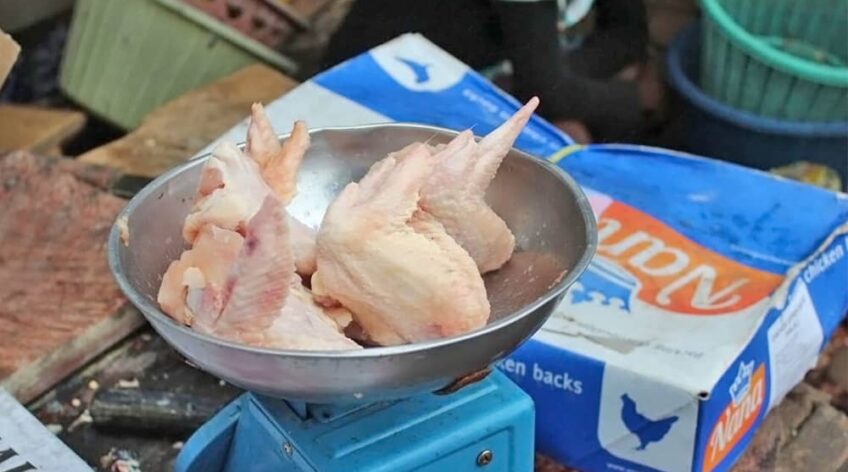
Understanding West Africa’s Growing Demand for Frozen Meat and Fish
Something fundamental is changing across West Africa, and it’s happening on dinner plates in homes, restaurants, and chop bars from Dakar to Lagos to Accra.
We’re eating more protein. Specifically, more frozen chicken, fish, and beef.
The numbers are striking. Over the past decade, consumption of frozen protein across the region has increased dramatically, reshaping food markets, import patterns, and how millions of West Africans eat daily.
But why is this happening? And what does it mean for Ghana specifically?
The Forces Driving Change
Several factors are converging to fuel this protein revolution:
Urbanization is accelerating
More West Africans live in cities than ever before. Accra, Lagos, Abidjan, and other urban centers continue growing. City dwellers often lack access to fresh markets or time to shop daily, making frozen protein practical and appealing.
Middle-income households are expanding
As economies grow and more families enter the middle class, dietary preferences shift. Protein consumption typically increases with income. Families that once ate meat occasionally now include it in most meals.
Working patterns are evolving
With more women in the workforce and longer working hours across both genders, convenience matters. Frozen protein that stores safely and cooks quickly fits modern lifestyles better than alternatives requiring daily fresh purchases.
Restaurant and food service sectors are booming
From small chop bars to larger restaurants and catering services, Ghana’s food service industry continues expanding. These businesses depend heavily on frozen protein for inventory management and consistent meal preparation.
Ghana’s Unique Position
In Ghana, frozen protein has become foundational to both domestic and commercial food preparation. Visit any neighborhood and you’ll see the evidence:
- Chop bars building menus around grilled or fried chicken
- Families buying bulk frozen fish for weekly meal planning
- Restaurants featuring beef in everything from stews to kebabs
- School cafeterias and institutional kitchens relying on frozen supplies
The Local Production Gap
Here’s an important reality: Ghana’s local poultry industry, despite growth efforts, cannot currently meet national demand for chicken.
The reasons are complex:
The reasons are complex:
- Chicken farming requires significant upfront investment in facilities, feed, and veterinary care
- Disease outbreaks can devastate local flocks
- Production costs in Ghana are often higher than in countries with industrial-scale operations
- Seasonal variations affect supply consistency
Quality Makes the Difference
As frozen protein becomes more central to Ghanaian diets, quality expectations are rising. Consumers, restaurant owners, and food vendors increasingly understand that not all frozen chicken, fish, or beef is equal.
This is where companies like Harrishelle Food Company differentiate themselves. By sourcing from trusted global suppliers and implementing strict cold-chain protocols, Harrishelle ensures products maintain:
- Superior freshness – Proper freezing and storage preserve taste and texture
- Food safety – Temperature control prevents bacterial growth and contamination
- Nutritional value – Vitamins and proteins remain intact through proper handling
- Consistent quality – Every batch meets the same standards
The Infrastructure Challenge
Meeting West Africa’s growing protein demand isn’t just about importing more products, it requires building the infrastructure to handle, store, and distribute them properly.
Ghana is witnessing important shifts toward:
- Structured supply chains – Moving away from informal, unreliable distribution networks
- Improved storage practices – Modern cold storage facilities replacing inadequate older systems
- Enhanced food safety awareness – Buyers understanding the importance of proper handling
- Regulatory improvements – FDA and other bodies strengthening oversight
Distribution Across Ghana
Harrishelle’s growing network currently serves the Central and Greater Accra Regions effectively, with plans for further expansion. The company’s distribution capabilities ensure:
- Supermarkets from Winneba to Tema can stock reliable frozen protein
- Restaurants across Accra maintain consistent ingredient quality
- Wholesalers in Kasoa and surrounding areas access bulk supplies
- Food vendors in smaller communities get the same products as city businesses
What Consumers Should Know
As frozen protein becomes more prominent in Ghanaian diets, understanding quality indicators helps consumers make better choices:
- Check packaging integrity – Torn or damaged packages may indicate temperature fluctuations
- Look for ice crystals – Large crystals suggest thawing and refreezing
- Notice color and smell – Fresh frozen protein shouldn’t smell off or show discoloration
- Ask about sourcing – Reputable sellers know where products come from
- Verify storage conditions – Retailers should maintain proper freezer temperatures
Quality suppliers like Harrishelle maintain these standards automatically, but informed consumers can make better decisions.
The Future of Protein in Ghana
West Africa’s demand for frozen protein isn’t plateauing, all indicators suggest continued growth for years to come. For Ghana specifically, this means:
- Continued importation will remain necessary to meet demand
- Cold-chain infrastructure will become increasingly critical
- Food safety regulations will likely tighten (which benefits consumers)
- Competition among suppliers will increase
- Quality and reliability will differentiate successful companies